How nostalgia events are keeping South African culture alive
Nostalgia events offer South African millennials a particular kind of day out: familiar songs, remembered dance moves and people who understand what those moments meant. As old-school experiences gain visibility on local entertainment calendars, they raise a bigger question for the industry. What responsibility comes with bringing a generation’s memories back to the stage?
For millennials who grew up with kwaito on the radio, house compilations on CD and music videos dictating the next dance move, the attraction feels personal. A track brings back a school friend, a December holiday or the older sibling who introduced everyone to an artist. Hearing it alongside people with similar memories adds something that listening alone does not provide.
There is a social argument here, too. Between work, family commitments and friends living further apart, arranging time together takes effort. A familiar line-up gives people a reason to make that plan. Nobody needs to explain why a particular chorus matters. The recognition is immediate.
In South Africa, this also raises a question about whose cultural contributions we choose to remember. Kwaito developed during the country’s transition to democracy and gave township youth a distinctive public voice. Its language, dance and style expressed local identities. South African History Online traces its influences through earlier South African music and describes the pride in township life at its centre. 3
That history deserves continued attention. The songs carry traces of how people spoke, dressed, celebrated and understood themselves. When audiences return to them, they revisit a part of South African life that deserves space alongside the country’s formal historical record.
This is where nostalgia events have a role in keeping culture alive. UNESCO’s approach to living heritage places emphasis on people passing knowledge and practices between generations. Applied to music events, that principle puts participation at the centre: people singing the words, demonstrating a dance and explaining where it came from. 4
A younger listener might know a short clip from social media without knowing the performer behind it. A live appearance introduces the artist as a person with a history and a body of work. An older fan has a reason to share the rest of the story. Those exchanges give the music a life beyond the moment when it first topped a chart.
Millennials sit in a useful position in that exchange. Many remember these sounds from childhood or adolescence and now share music with younger relatives, colleagues and their own children. Their memories give context to songs that a new audience encounters for the first time.
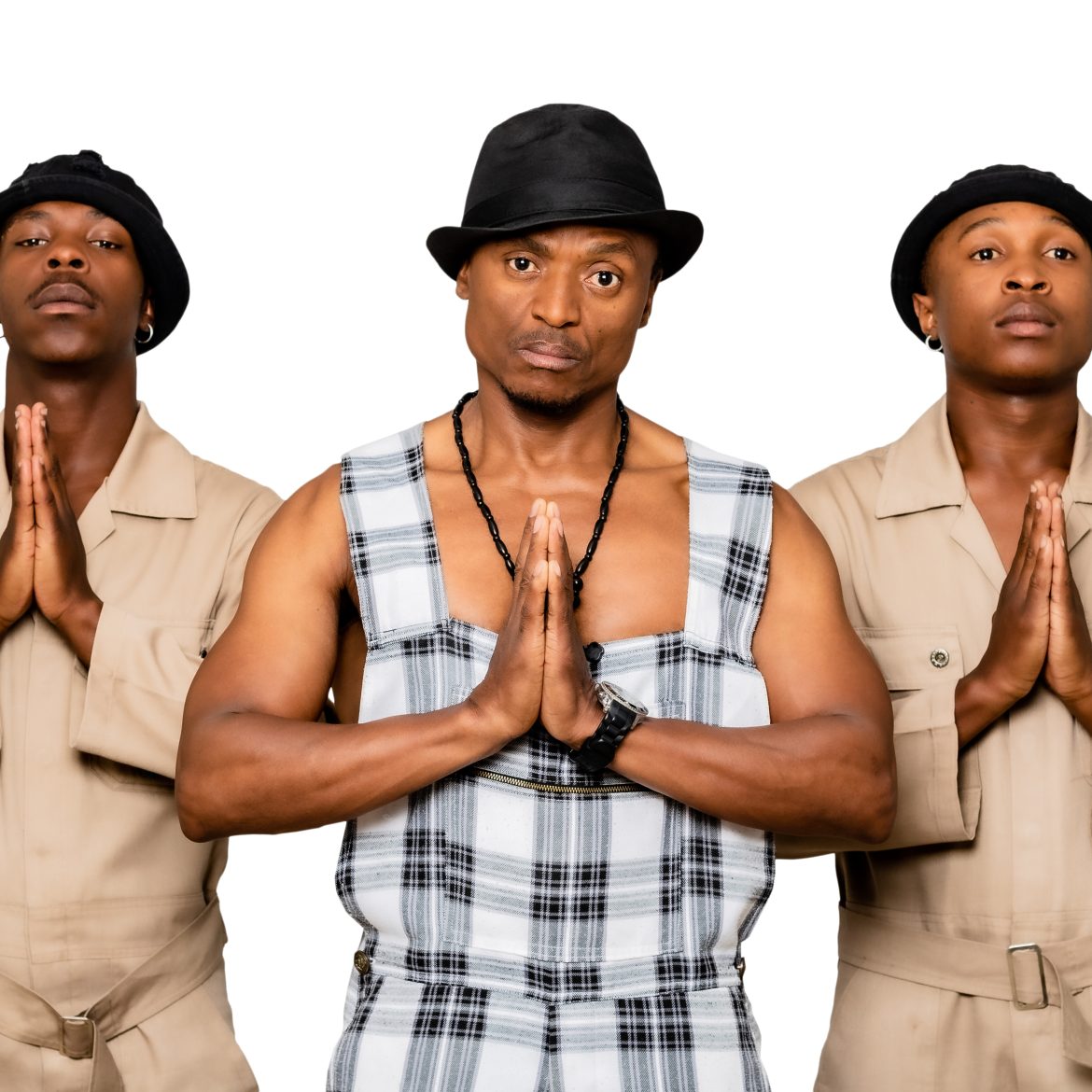
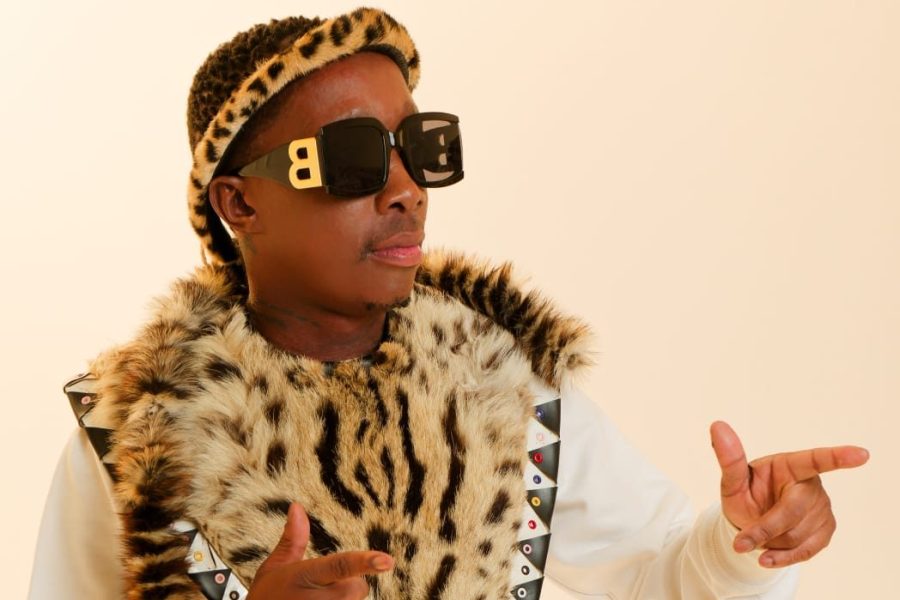
Kasi Republic’s Reconciliation Day Festival speaks directly to this audience. Its invitation to “iYouth Endala” acknowledges the people who grew up with the soundtrack of iKasi and still want to celebrate it together. With Alaska, Mzambiya, Msawawa and Zola on the advertised line-up, the event puts the artists associated with those memories back in front of an audience.
The iSpantsula dress code also invites guests to make style part of the occasion. Clothing and movement belong in this conversation because audiences experience culture through what they do and wear, as well as what they hear. Participation gives the celebration its character.
For event organisers and sponsors, the commercial opportunity carries responsibilities. Celebrating a musical legacy should include fair payment for performers, proper credit for their work and opportunities for them to tell their stories. Booking established artists recognises that their contribution still has value. Supporting local suppliers and creative workers extends that value beyond the stage.
Programming also needs room for younger interpretations. Culture develops through people adding something of their own. An emerging performer revisiting an older sound should have space to experiment while acknowledging the artists who influenced it. Nostalgia serves culture best when it encourages that exchange.
Reconciliation Day offers a fitting occasion to gather around these ideas. South Africans bring different histories and memories to a shared space. Music gives them an accessible way to listen, participate and learn something about one another.
The appeal of nostalgia events deserves serious attention from the entertainment industry. A successful event sends people home wanting to hear an artist again, revisit an album or explain to someone younger why a song mattered. Those choices help keep South African music in everyday life.
Kasi Republic takes place on Wednesday, 16 December 2026, at Riversands Farm Village in Fourways. Gates open at 12:00. The dress code is iSpantsula, and general access tickets cost R260 through Ticketpro.