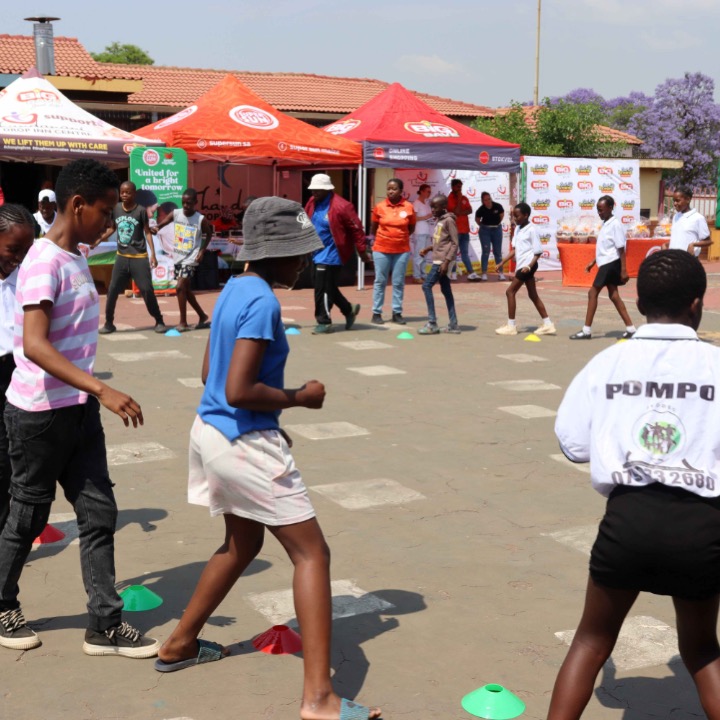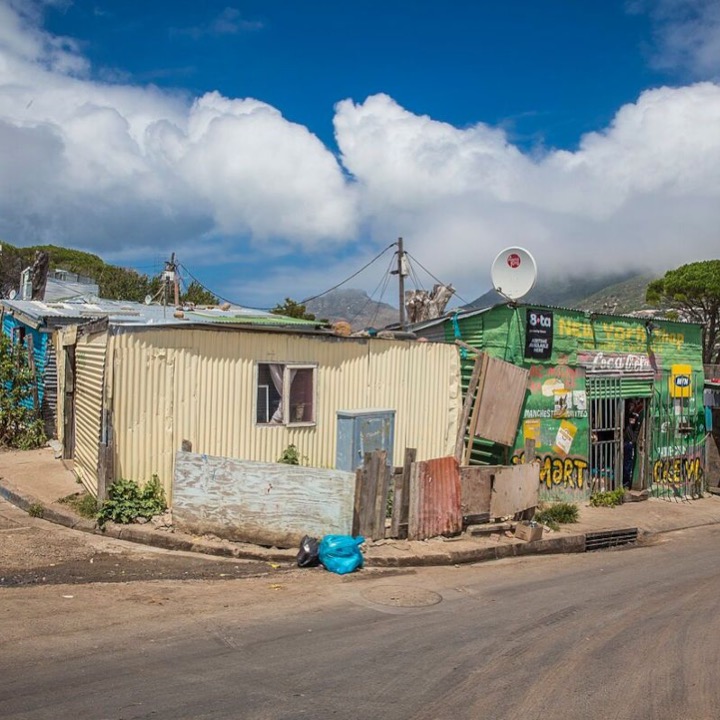
As South Africans deal with the daily challenges associated with the ongoing Covid-19 pandemic, the non-profit sector has been at the forefront of the Covid-19 response by providing relief services like food, water, and medical supplies to millions of vulnerable citizens. These challenges were further exacerbated by the recent civil unrest, looting and third wave in South Africa where NGOs, NPOs and NPCs were again at the forefront of providing some much-needed relief.
While non-profit’s have been at the centre of the Covid-19 response, their own leaders, staff, and volunteers are facing issues of their own. This pandemic, and more recently the civil unrest has impacted all aspects of NPO work, from running programs effectively, planning and getting funding, coordinating staff to how they collaborate with stakeholders. All of these issues can lead to NPO staff and volunteers to feel burnt out, stressed, overwhelmed and anxious which can all ultimately affect mental health.
NPOwer is a dedicated mental health support service and 24hour helpline for ALL NPOs/NGOs and community organisations across the country. The support program was launched in October 2020 and has received over 6, 300 calls.
Previous NPOwer research found that two-thirds of NPO professionals exhibited moderate to severe psychological morbidity, with two-thirds also facing an elevated risk of developing a psychiatric disorder. Over one-third of all NPO professionals were found to be exhibiting a high likelihood of having a severe psychiatric disorder by the time the survey was completed.
“While many corporates have Employee Assistance Programmes in place for their employees, and relief funding has been provided for specific responses such as food relief and health system strengthening, the wellbeing of NPOs, who are at the front-line in serving communities throughout lockdown has largely been forgotten. The need for this type of integrated psychological support programme is very clear,” says Dipalesa Mpye, a social investment specialist at Tshikululu Social Investments.
“Many NPO’s have been left in the dark. Teams are overworked, they are facing trauma and lack of resources every day. With so many pandemic-related issues, some NPO’s have been forced to close their doors and stop the valuable work they have been providing when communities need it the most. NPO’s have always provided help, resources and support to others, but never before has the mental health of our NPOs been prioritised,” says Operations Director at SADAG, Cassey Chambers.
With no clear endpoint in the Covid-19 pandemic, NGO workers are feeling more and more anxious and overwhelmed. In a recent NPOwer Anxiety and Panic Webinar, SADAG Board Chairperson, Clinical Psychologist and CBT expert Dr Colinda Linde discussed the implications of constantly existing in chaos and disequilibrium – ‘’Around the world, South Africans are known for being tough and resilient but even we have a limit, especially the rescuers, the people who are in the NGO, NPO, helping areas of life – These are the rescuers during disequilibrium and for these people it’s important to understand and to be aware of the chaos and the impact thereof in their lives.’’
NPOwer is launching an NGO Anxiety Survey that will be assessing anxiety amongst staff and volunteers of NPOs, NGOs and Community organizations across all sectors and across the country. By better understanding the areas which are leading to Mental distress, we can better mould the support and care structures to best suit the needs of this selfless and giving group of people.
Anyone working or volunteering in a NGO, NPO, NPC or any other Community Organization are encouraged to complete the 5-minute survey. The Anxiety survey will be running for the next 6 weeks, and ALL organizations are also encouraged to share this survey with their staff, leaders and volunteers.
The survey is open now and closes on 15 October 2021. Click here for a link to the survey or go to NPOwer SA.
NPOwer
The tollfree NPOwer helpline is open 24 hours a day, 7 days a week, 365 days a year with counselling available in all 11 official languages. Call 0800 515 515. Messages can also be sent to a dedicated SMS line on 43010 or to info@npowersa.org