For years, organ transplants in South Africa have exposed one of the country’s harshest inequalities — the difference between having medical cover and simply having hope.
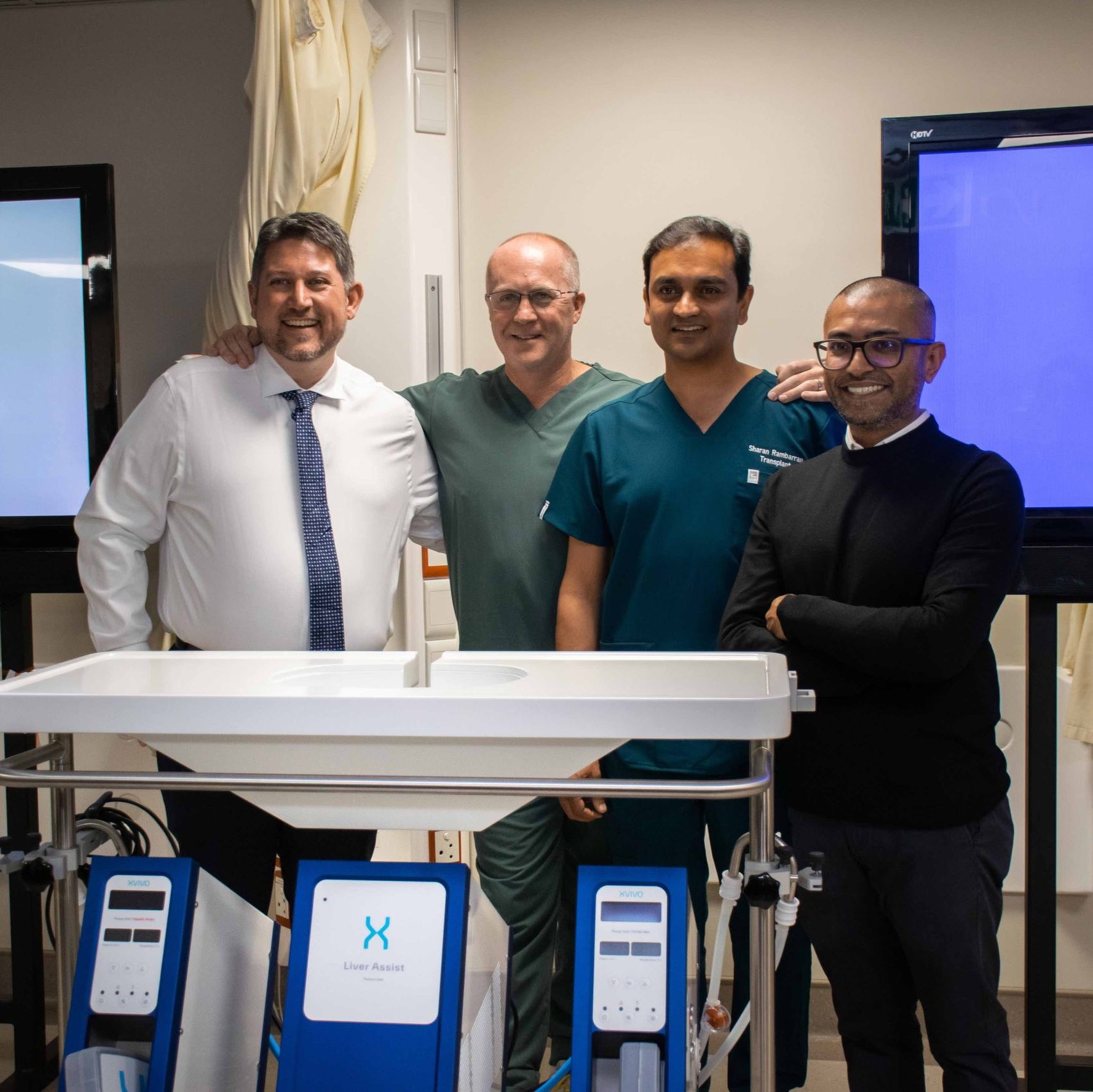
This week, Johannesburg’s Charlotte Maxeke Academic Hospital took a major step toward closing that gap with the opening of its upgraded liver transplant unit. The facility does more than add beds or equipment; it marks the return of a public-sector liver transplant programme, something Gauteng has long relied on private hospitals to provide.
Until now, uninsured patients often depended on partnerships with private institutions — arrangements that inevitably favoured those with access and resources. The new unit aims to change that by strengthening transplant equity and reducing waiting backlogs.
More than 200 patients are already on transplant waiting lists, a number that reflects both medical demand and systemic pressure. The upgraded ICU and high-care infrastructure is expected to reduce waiting times and improve outcomes for adults and children alike.
But the real significance lies beyond medicine. Public transplant capacity is central to universal health coverage — the principle that survival should not depend on income. The project aligns with South Africa’s broader development goals to expand equitable access to specialised healthcare.
The facility was supported by the FirstRand Empowerment Foundation, highlighting a growing model in South Africa: public healthcare infrastructure strengthened through social investment partnerships. The foundation positions its role as reducing inequality by enabling access, not replacing the state.
In practical terms, this means something simple but powerful: a life-saving procedure that was once mostly private now returns to the public system.
Healthcare infrastructure rarely becomes headline news. Yet projects like this quietly determine who survives long enough to worry about education, employment or opportunity. Hospitals are not only places of treatment — they are economic equalizers.
The reopening of a public liver transplant programme is therefore not just about medicine. It is about dignity.
Because in a society pursuing inclusion, access to life itself cannot remain a luxury.