Each year on Workers’ Day, South Africans are given a day off to recognise the role of workers in building the nation. But in today’s economic climate, the meaning of the day extends far beyond commemoration; it raises urgent questions about the realities facing workers across the country.
Workers’ Day is rooted in the global labour movement and South Africa’s own history of resistance. During apartheid, labour unions played a crucial role not only in advocating for fair wages and improved working conditions, but also in challenging systemic injustice. The fight for workers’ rights became intertwined with the broader struggle for freedom and dignity. As a result, Workers’ Day symbolises solidarity, equality, and the recognition of workers as central to the country’s democracy.
However, while these historical victories remain significant, the present-day experience of work in South Africa reveals ongoing challenges. The country continues to grapple with extremely high unemployment rates, with young people disproportionately affected. For millions, the issue is not just about fair working conditions, but about access to work in the first place.
Even for those who are employed, the realities are often far from ideal. Many workers face low wages, limited job security, and precarious conditions. The rise of informal and gig-based work has further complicated the labour landscape. While these forms of employment offer flexibility, they often come without benefits such as medical aid, paid leave, or long-term stability. As a result, a growing number of workers operate outside traditional systems of protection, raising important questions about what “workers’ rights” mean in a changing economy.
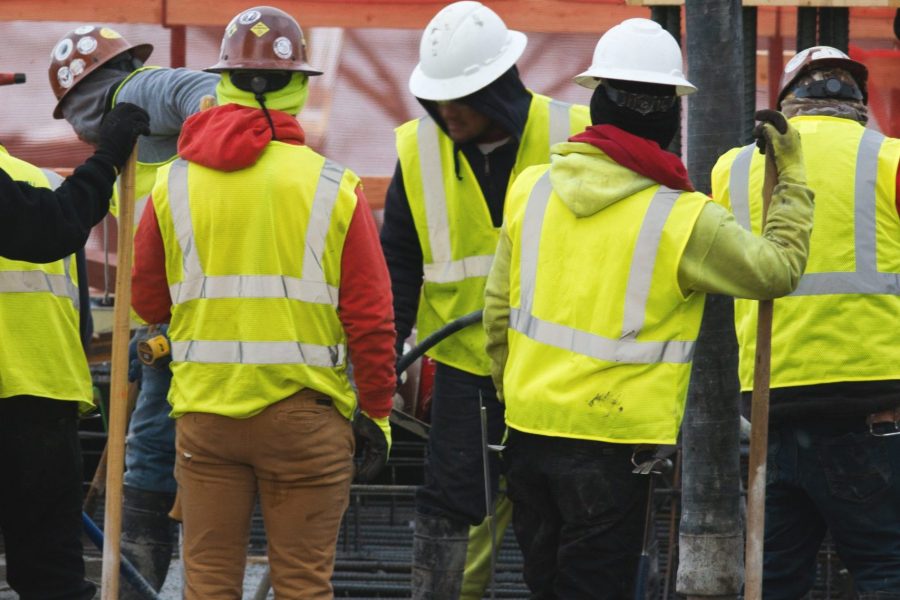
The lived experiences of everyday South Africans bring these issues into sharper focus. Domestic workers, petrol attendants, retail staff, and factory workers are among those who continue to sustain the economy, often under challenging conditions. For many in these roles, Workers’ Day is not a day off, but just another working day. Their experiences highlight the gap between the ideals that Workers’ Day represents and the realities that many still face.
At the same time, the meaning of work itself is evolving. Conversations around dignity, purpose, and inclusion are becoming increasingly important. Workers are not only demanding fair pay, but also respect, recognition, and opportunities for growth. There is also a growing awareness of the need for spaces that accommodate people with disabilities, support diverse backgrounds, and actively address inequality. In this sense, Workers’ Day is also about rethinking what a just and equitable workplace should look like in contemporary South Africa.
Despite these challenges, Workers’ Day remains a powerful and necessary reminder of both progress and possibility. It acknowledges the sacrifices and struggles that secured the rights many workers enjoy today, while also shining a light on the work that still needs to be done. It calls on government, businesses, and society to move beyond symbolic recognition and towards meaningful action, whether that means addressing unemployment, improving working conditions, or creating more inclusive economic opportunities.
Ultimately, the meaning of Workers’ Day in South Africa today lies in its dual role. It is both a commemoration of the past and a reflection on the present. More importantly, it is a call to imagine a future where the promise of dignity, fairness, and opportunity is not limited to a few, but is accessible to all.